VPN rollout for distributed team
- Problem: fragmented access and ad-hoc tunnels
- Action: WireGuard design + access policy + onboarding that doesn’t require heroics
- Result: predictable access, easier audits, fewer “it worked yesterday” surprises
Infrastructure engineering
Linux, MikroTik, VPN, Docker, Nginx, monitoring, backups. Clean changes, clear rollback paths, and documentation that actually helps at 3 a.m.
Not flashy. Not fragile. The kind of infrastructure that behaves the same on Tuesday afternoon and during an incident.

Practical help across the stack — from routing and access to deployments and visibility. Minimal drama, maximum clarity.
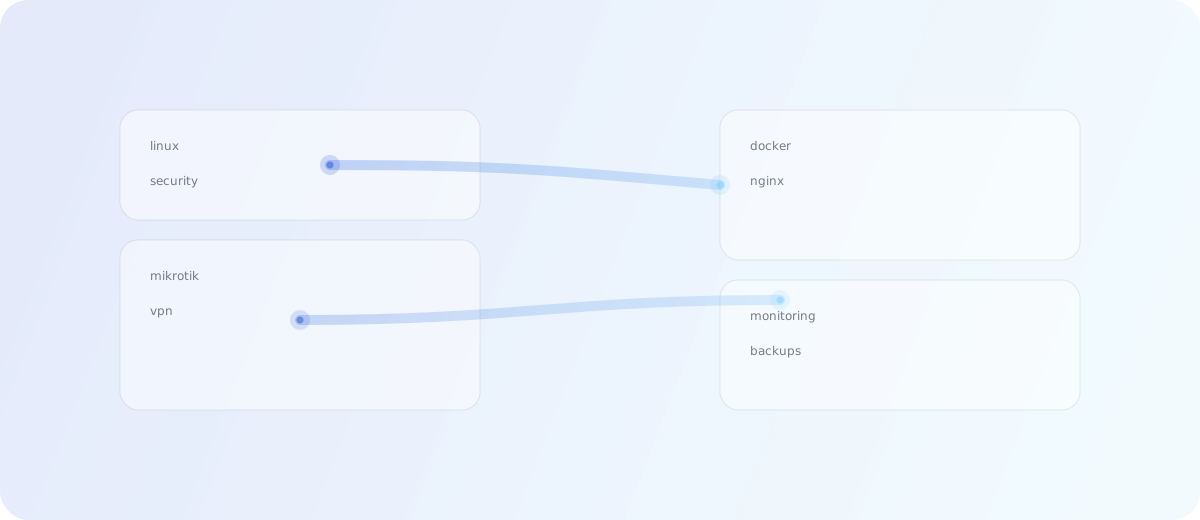
Hardening, upgrades, incidents, performance, baseline standards that don’t rot.
Routing, VLANs, firewall, QoS, and safe remote management without lockouts.
WireGuard/IPsec, access policies, onboarding, and audit-friendly setup.
Least privilege, safe exposure, logging, and “no surprises” access control.
Compose deployments, health checks, image hygiene, and rollbacks you can trust.
HTTPS, routing, sane headers, timeouts, and configs you can read later.
Signals over noise. Alerts that wake you up only when they should.
Automated backups, retention, restore drills, and a clear “restore story”.
Less folklore, more repeatability. The goal is infrastructure you can reason about.
Repeatable steps. Minimal drift. Changes you can reproduce, not “recreate”.
Runbooks, diagrams, and “how to revert” — not just “how it works on my laptop”.
Safer rollouts, rollback paths, and redundancy where it pays for itself.
Clear scope, clear trade-offs, and status updates that don’t waste your time.
Access control, logging, least privilege, and conservative defaults.
A few common storylines. The details always depend on constraints and risk appetite.
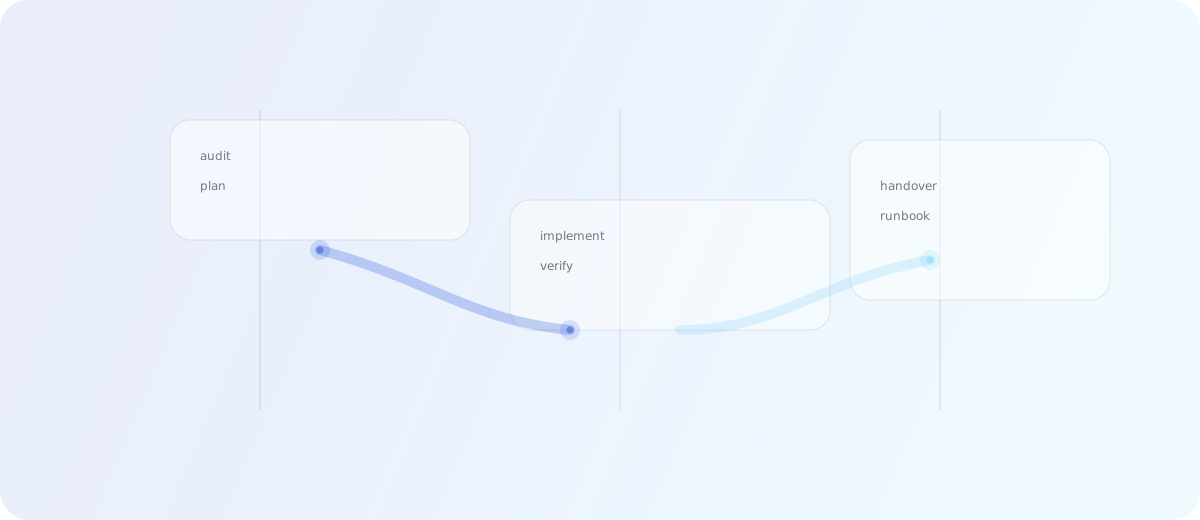
The boring layer matters: cabling, VLAN intent, routing boundaries, and access control.
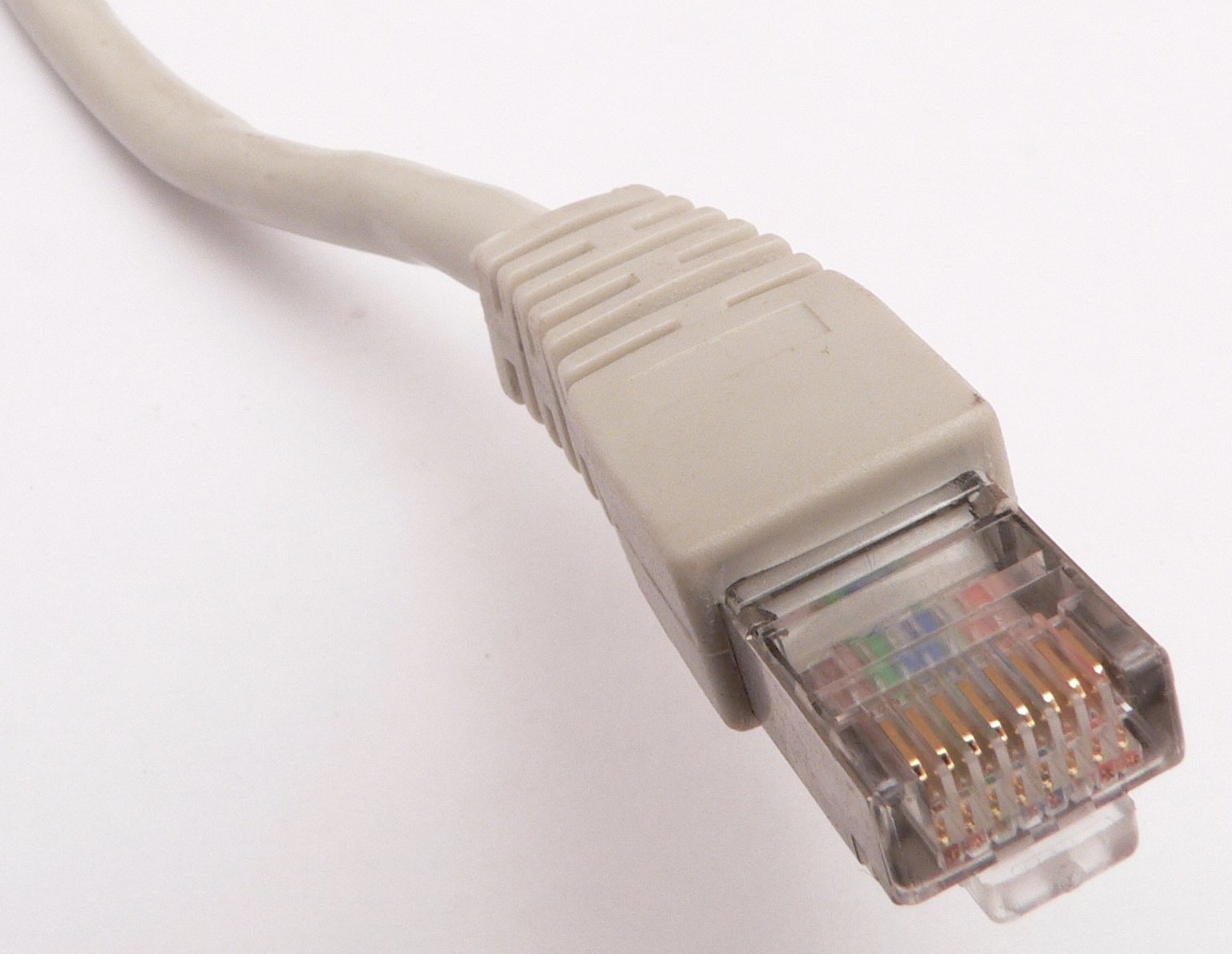
Send a short description. I’ll reply with next steps and a clear plan.